Unfair Trade Rules
International trade could be a powerful tool to end poverty; however, in reality, outrageous injustices exist in the international trading system.
The world is a large market in which we all particpate, regardless of whether we are producers or consumers. Due to the effects of globalisation in the 21st century, we are all closely connected through trade.
Trading is definitely more than just an abstract concept for millions of people, because the conditions of the international market in which they conduct trade has a decisive impact on whether they are able to feed their families, to educate their children, and to enjoy their basic rights.
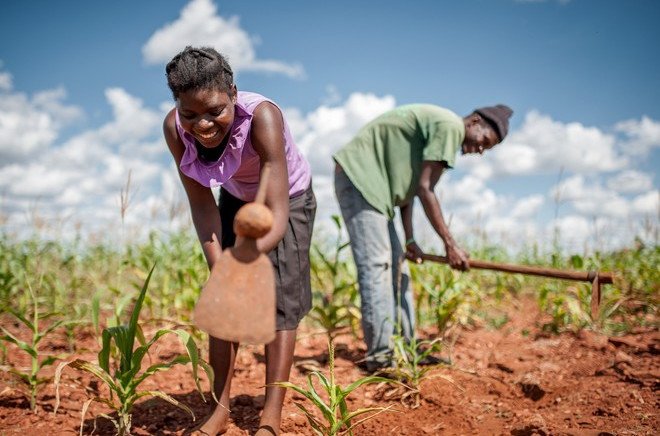
- Unfair trade seriously affects the livelihood of the world’s 2.5 billion poor farmers. Rich countries provide their domestic producers subsidies of up to 1 billion dollars on a daily basis, equivalent to a year of financial assistance they provide to poor countries. This subsidised produce is then dumped onto poor countries at prices below production cost, making it impossible for local smallholder farmers to compete.
- Over the past few years the prices of produce have declined, giving smallholder farmers even fewer bargaining tools and leaving them unable to cover production costs. For instance, the price of coffee beans in the international market has at times tumbled by over 50 per cent.
- Tens of thousands of workers in developing countries work overtime nearly every day, and still, they cannot afford even daily necessities, much less medical care and education for their families.
Dumping
Dumping is an unfair trade practice whereby products are exported at prices below their production costs. The World Trade Organization (WTO) has an Anti-Dumping Agreement, which allows its members to protect their domestic products against unfair competition from products produced in other countries. The purpose of the agreement is not to define dumping, but to specify how WTO members are to respond to it. Nevertheless, there are criticisms that the contents of the agreement are too general, and that economically powerful countries, such as the European Union (EU) and the United States can exploit loopholes to accuse other countries of dumping practises – usually targeting developing countries.
The EU and the US dump their produce and goods with large subsidies on developing countries while concurrently keeping international prices at low levels, which seriously affect the livelihoods of smallholder farmers. Still the WTO has failed to put a stop to such unfair tactics. Making or defending against allegations of dumping requires substantial input of human and financial resources, and this is often beyond the means of the developing countries. The ambiguity and abuse of allegations of dumping and anti-dumping adversely affect the interests of developing countries in international trade, a subject which must be addressed during the negotiations about the WTO agreements.
Read more:
Oxfam Follows up Advocacy Work of WTO Conference